

















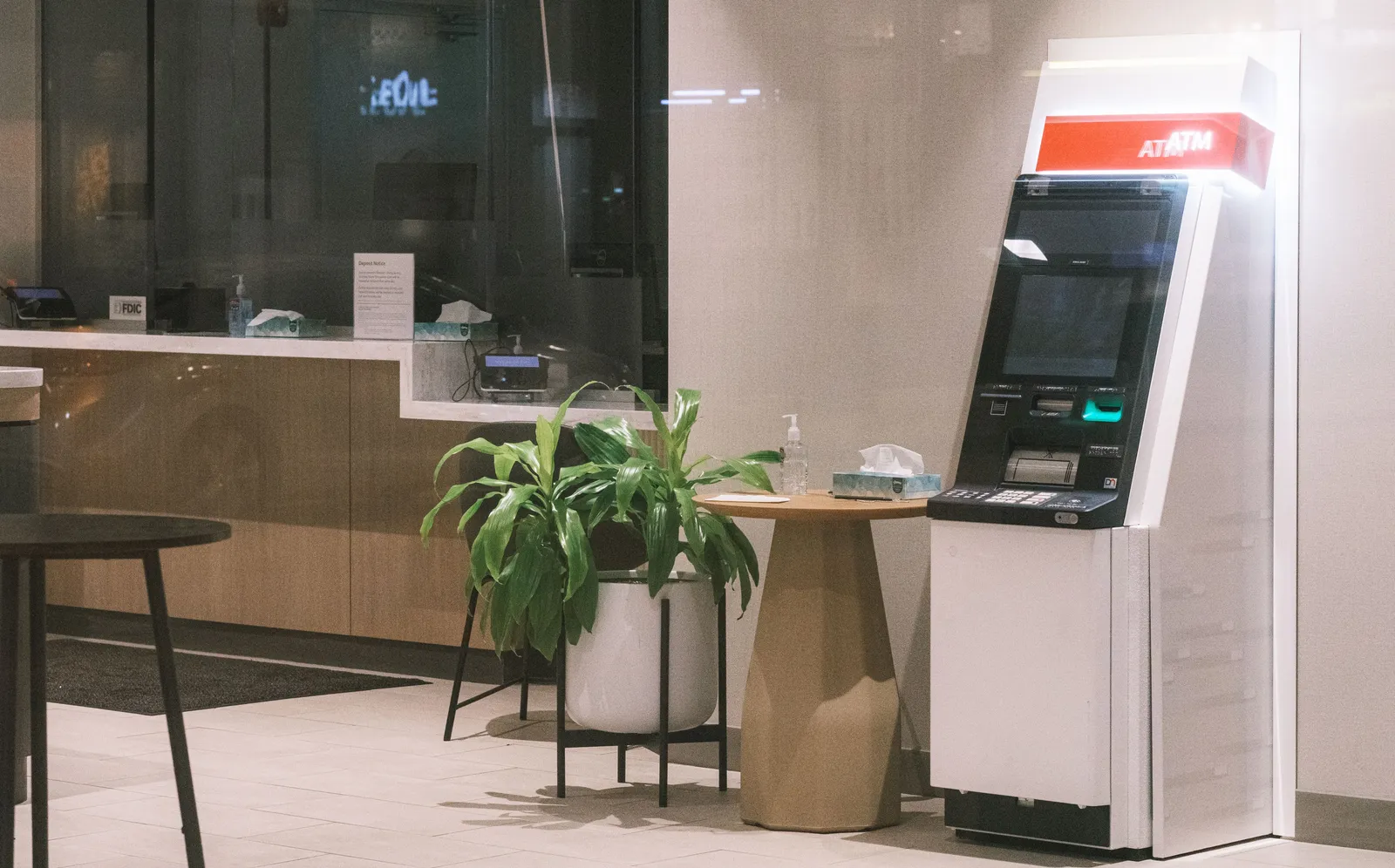
If your emergency cash sits in a Discover Money Market Account, the card that reaches it quits on October 8.
The monthly cap on getting money out of that account doesn’t move. That combination is the whole story.
Discover mailed a Notice of Change in Terms to every Money Market Account holder on August 18. The revised agreement is public and it’s short enough to read in a coffee break. Section 1 redefines “Debit Card” to mean a Cashback Debit card or a Personal Checking card. The old definition said Cashback Debit, Personal Checking, “or a Discover Money Market Account Debit Card.” Section 13(a)(i) used to let you pull cash at an ATM from a Cashback Debit, a Personal Checking, or a Money Market Account. The new version drops the last one. Add Cash at retail counters drops it too.
Section 5(b) got rewritten while they were in there: “Money Market Account interest rates and APYs are based on your Account balance.” That sentence wasn’t in the old one.
Now the part they leave for you to assemble.
The agreement caps certain withdrawals and transfers out of a Money Market or Savings Account at six per calendar month. ACH, wires, telephone transfers, online transfers, checks, and debit purchases at the register all count against the six. One category sat outside it. The chart lists, under the unlimited transactions, “At an ATM (applicable to Money Market Accounts only).”
That line is still in the chart. The card that made it work is not.
So from October 8, the uncapped ways out of a Discover Money Market Account are in person, by messenger, or by asking them to mail you an official bank check. “In person” has a definition in the same document. The Branch means “the Discover retail banking office in Greenwood, Delaware.” One office.
Six electronic transfers a month, or drive to Delaware. That’s not an emergency fund.
This reads like a product being wound down and billed as a terms update. You can’t open a Discover Money Market Account today: the page for it forwards to Capital One’s savings page, and Discover’s own banking menu offers three things, a Checking Account, an Online Savings Account, and a CD. The agreement’s footer says “Discover, a division of Capital One, N.A.”
Do this before October 8.
Log in and read your APY. It’s a function of your balance now, in writing, and the bank can change it any day it likes. Compare it against Discover’s Online Savings, which the same rewritten paragraph still prices without reference to your balance, and against two outside banks. Our savings calculator will price the gap on your actual balance, and the savings hub and our savings rankings are where to start the shopping.
Then hand the emergency-cash job to an account with a working card, and keep your electronic transfers at six or under in the meantime. Go over on more than an occasional basis and the agreement lets Discover refuse the transaction or convert the account to a Cashback Debit.
The debit-card limits you’re losing, for the record: $510 a day at an ATM, $5,000 a day at the register after your first month, and Add Cash in $20 minimums up to $1,000 per 24 hours. The rewritten Add Cash bullet says you can still add cash to “your Cash Debit, or Personal Checking.” Discover doesn’t sell a Cash Debit. Somebody typed that one in a hurry.
How Candid Yak makes money. Some of the products we write about pay us if you apply or sign up through our links. That never changes our verdict, our rankings, or the numbers in this article. We call a bad deal a bad deal whether it pays us or not. Some brands shown in our comparison tools are placeholder examples while we finalize partner agreements, and we label them as such.