

















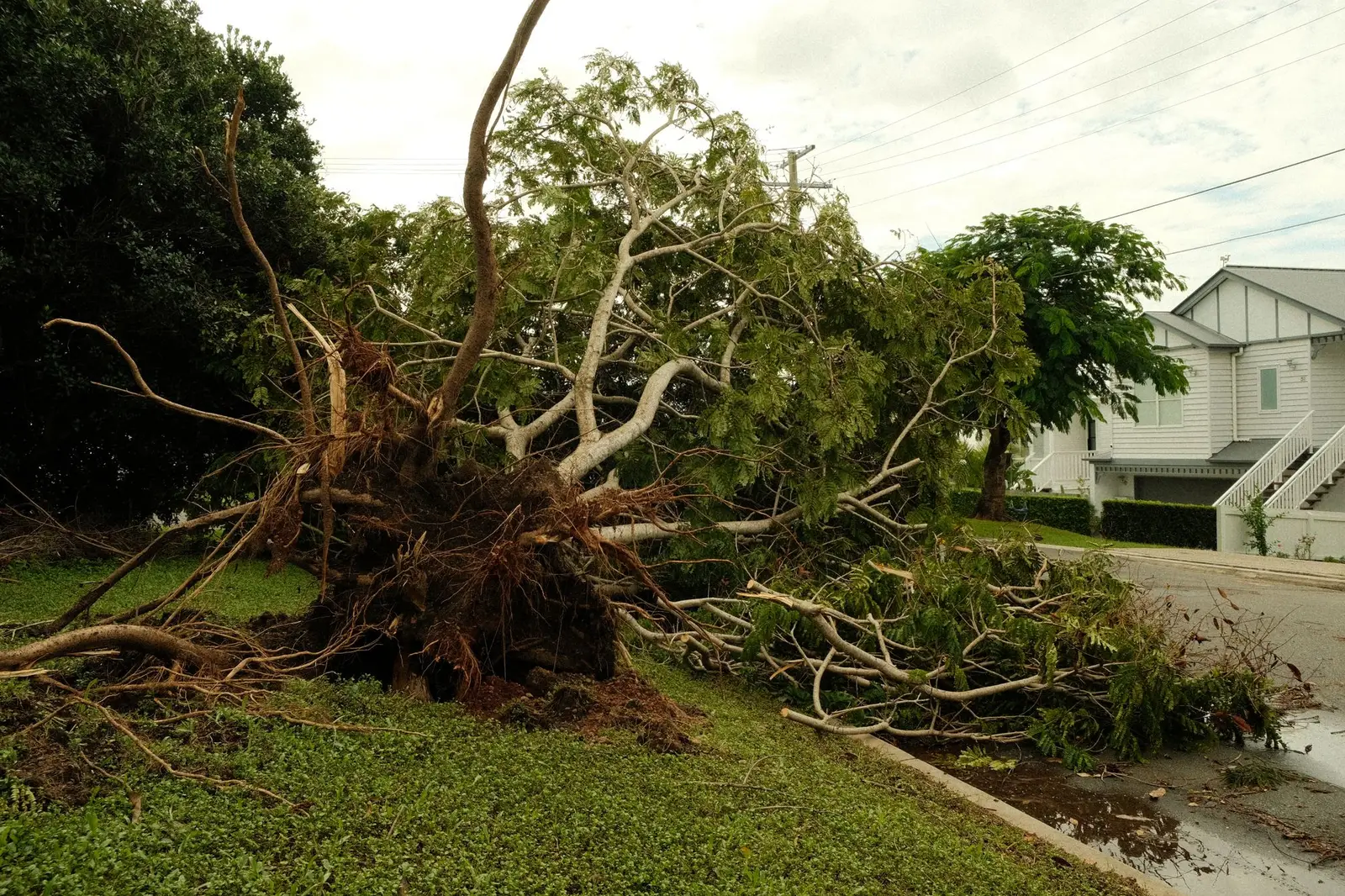
If Hurricane Isaias dropped a tree on your car or put water in it, one line on your policy decides whether you get a check or a bill. That line is comprehensive coverage.
Have it, and wind, flood and falling-tree damage is a covered claim. Don’t have it, and your insurer owes you nothing for your own car. Not a dime.
What happened, and what your policy does with it
Isaias came ashore near Destin around 8:30 p.m. Central on Friday as a Category 2 with 105 mph winds. By Saturday, more than 840,000 customers were without power across Florida, Alabama and Georgia. Two people were killed by falling trees, one in Escambia County and one in Birmingham.
The Insurance Information Institute put the car rule in one sentence on Thursday: vehicles damaged by wind or flooding are covered under the “optional comprehensive portion” of an auto policy. About 75% of U.S. drivers buy it.
Flip that around: nationally, about one driver in four would get nothing for the tree.
Here’s the catch for Florida drivers. The state’s legal minimum is $10,000 of personal injury protection and $10,000 of property damage liability. PIP pays medical bills. Property damage liability pays for what you hit. Neither one fixes your car. If you bought the minimum to keep the payment low, the storm just collected the difference.
The math
Say your car is worth $14,000 and your comprehensive deductible is $500. If Isaias totals it, Florida’s insurance department says a total-loss payout is typically capped at actual cash value, so you’re looking at about $13,500.
Without comprehensive, you get $0 and still owe whatever’s left on the loan.
One piece of good news: the percentage hurricane deductible you’ve heard about is a homeowners rule. Florida writes it for residential property policies. A car claim runs on the regular comprehensive deductible on your declarations page.
Do this now
Open your declarations page and look for “comprehensive” or “other than collision.” That page settles it in ten seconds.
If you have it, photograph everything before you touch anything. Florida’s own storm FAQ says adjusters judge flood damage by the waterline on the floor mats, seats and dash, and that once a car has dried out or been cleaned, it may be hard to prove how high the water got. So don’t vacuum the carpet. Salt water that reached the inside floorboards will more than likely total the car, the state says.
Then file with your auto insurer, not your homeowners carrier. If the tree came from your neighbor’s yard, it’s still your claim. Florida’s FAQ says the tree owner’s insurer pays only if the owner was negligent, and a healthy tree flattened by a hurricane rarely qualifies.
If the insurer lowballs you, call Florida’s Insurance Consumer Helpline at 1-877-693-5236. The state also runs an auto mediation program for property damage claims of any dollar amount. It’s non-binding, so you can walk away from a bad offer.
No comprehensive? You can’t add it after the storm. Add it before the next one. Compare the cost on your next quote with our insurance estimator, and check the best auto insurance companies and our Florida car insurance guide before renewal.
And if you’re shopping for a used car in the next six months, run the VIN first. Flood cars come back onto the lots after every storm like this one.
How Candid Yak makes money. Some of the products we write about pay us if you apply or sign up through our links. That never changes our verdict, our rankings, or the numbers in this article. We call a bad deal a bad deal whether it pays us or not. Some brands shown in our comparison tools are placeholder examples while we finalize partner agreements, and we label them as such.
Sources
- Hurricane Isaias makes landfall near Destin as a Category 2 storm (ABC News, October 9, 2026)
- Hurricane Isaias live updates: deaths from falling trees and power outages in Florida, Alabama and Georgia (ABC News, October 10, 2026)
- Triple-I Offers Preparedness Tips for Impacts of Hurricane Isaias (Insurance Information Institute, October 8, 2026)
- Personal Automobile Insurance Overview (Florida Department of Financial Services)
- General Insurance Coverage FAQs (Florida Department of Financial Services)
- Hurricane Isaias resources (Florida Department of Financial Services, Office of the Insurance Consumer Advocate)
- Florida's Hurricane Deductible (Florida Department of Financial Services)