

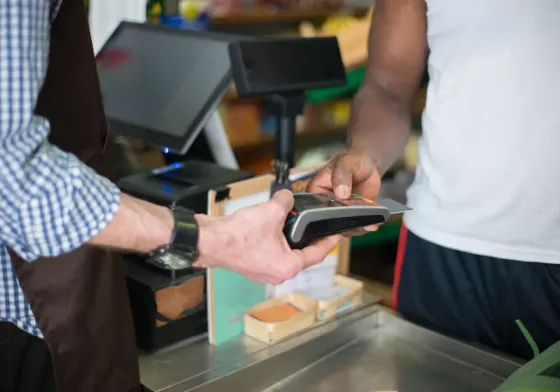









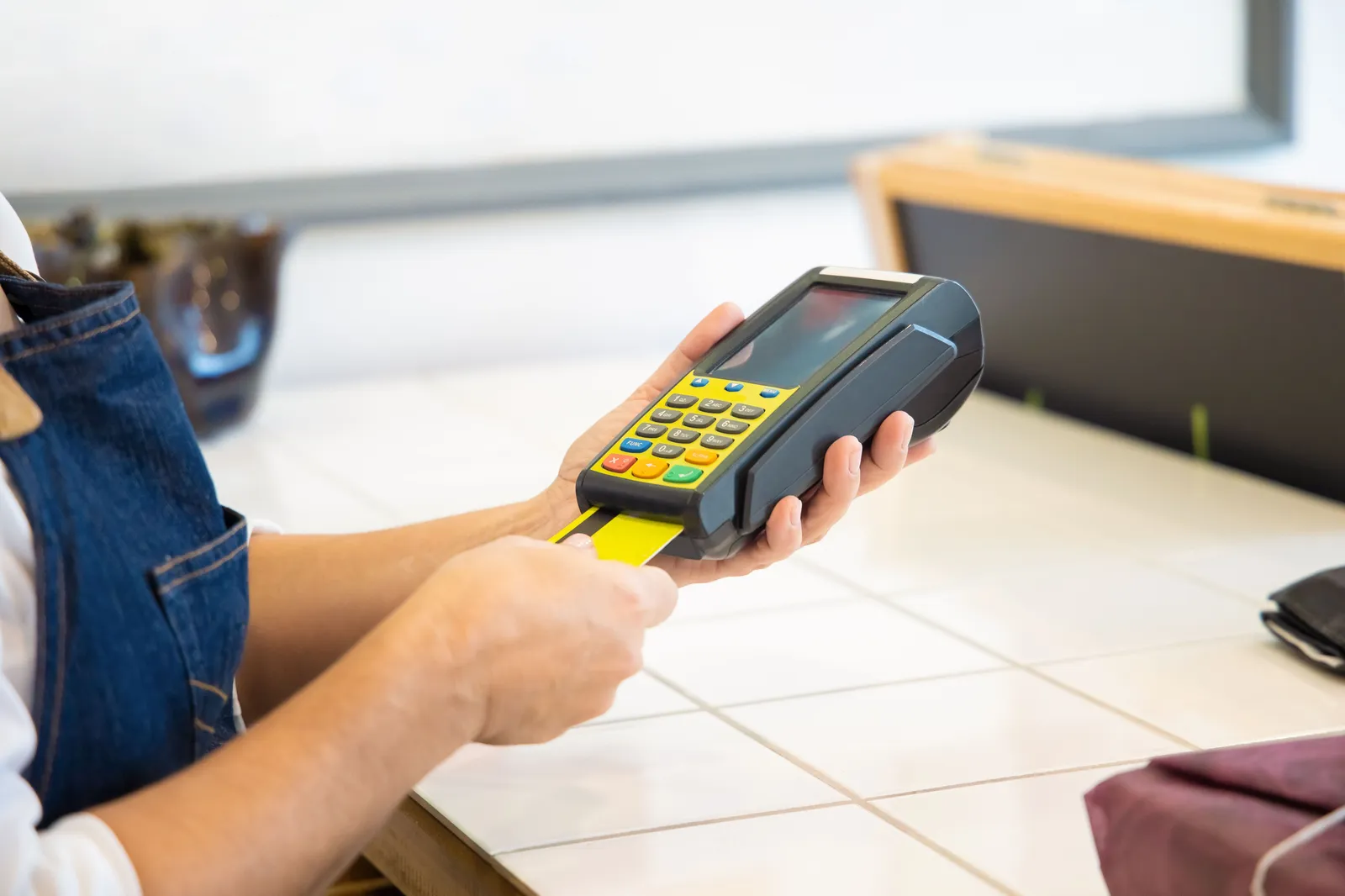
If a Louisiana store has been tacking a fee onto your bill for paying with a debit card, that stopped being legal on Saturday. Senate Bill 254 took effect August 1, and it bars retail businesses in the state from charging you anything extra for the privilege of using a debit card.
Read those last four words again. “For the privilege.” That’s the statute’s own language, and it tells you what the legislature thought of the practice.
The bill came from Sen. Beth Mizell, a Republican from Franklinton, and it didn’t squeak through. The Senate passed it unanimously. The House voted 83 to 14. It’s now written into Louisiana law at R.S. 51:3081 and 3082, and the definition is wide: any additional amount imposed at the time of the transaction that increases what you’re charged for using a debit card. Line item, flat fee, percentage, or something the register calls a “processing fee.” If it moves your total up because you tapped debit, it’s out.
Here’s the catch. Credit cards aren’t covered. Louisiana wrote a broader definition of a surcharge than the card networks use, but the statute doesn’t reach credit, and it doesn’t stop a shop from offering you a discount for paying cash. That’s the same economics pointed the other way, and it stays legal.
So why did a fee this small get a state law? Because small is the strategy. A charge that shows up as a rounding error at the bottom of a receipt is never worth a phone call, let alone a lawyer. You see it, you shrug, you walk out. Multiply that shrug across every debit swipe in a state and it stops being small for whoever is collecting it. That’s the store’s bet, and Louisiana just called it.
What the law gives you is a procedure that costs one letter.
Check your receipts from this week. If there’s a debit card fee on one, send the business written notice of the violation. They have 30 days to reimburse you and fix it, and if they do, you can’t sue. That’s by design, and it’s fine: most of these are going to be a payment terminal setting nobody bothered to update before Saturday. If they don’t fix it, you can recover actual damages, and the Attorney General can come after them with civil penalties of up to $500 per violation, plus attorney fees, court costs, and investigative costs.
You don’t have to draft anything fancy on your own, either. The Attorney General is required to stand up a toll-free hotline and an electronic reporting system where you submit the receipt and let the state do the work. So photograph the receipt before the thermal paper fades. That’s the whole ask.
Not in Louisiana? This one isn’t yours yet, so file it away. The only reason anyone catches a checkout fee anywhere is by reading a receipt they’d otherwise throw away. Connecticut went after checkout junk fees a different way this summer, and states copy each other fast once one version survives a session.
For Louisiana readers, this is a rare one: a consumer law with a refund mechanism simple enough to use. Two minutes with your receipts, a photo, and a hotline. While you have the receipts out, your auto insurance is also getting cheaper in the state this year, and that one is worth real money. Check both.
How Candid Yak makes money. Some of the products we write about pay us if you apply or sign up through our links. That never changes our verdict, our rankings, or the numbers in this article. We call a bad deal a bad deal whether it pays us or not. Some brands shown in our comparison tools are placeholder examples while we finalize partner agreements, and we label them as such.