

















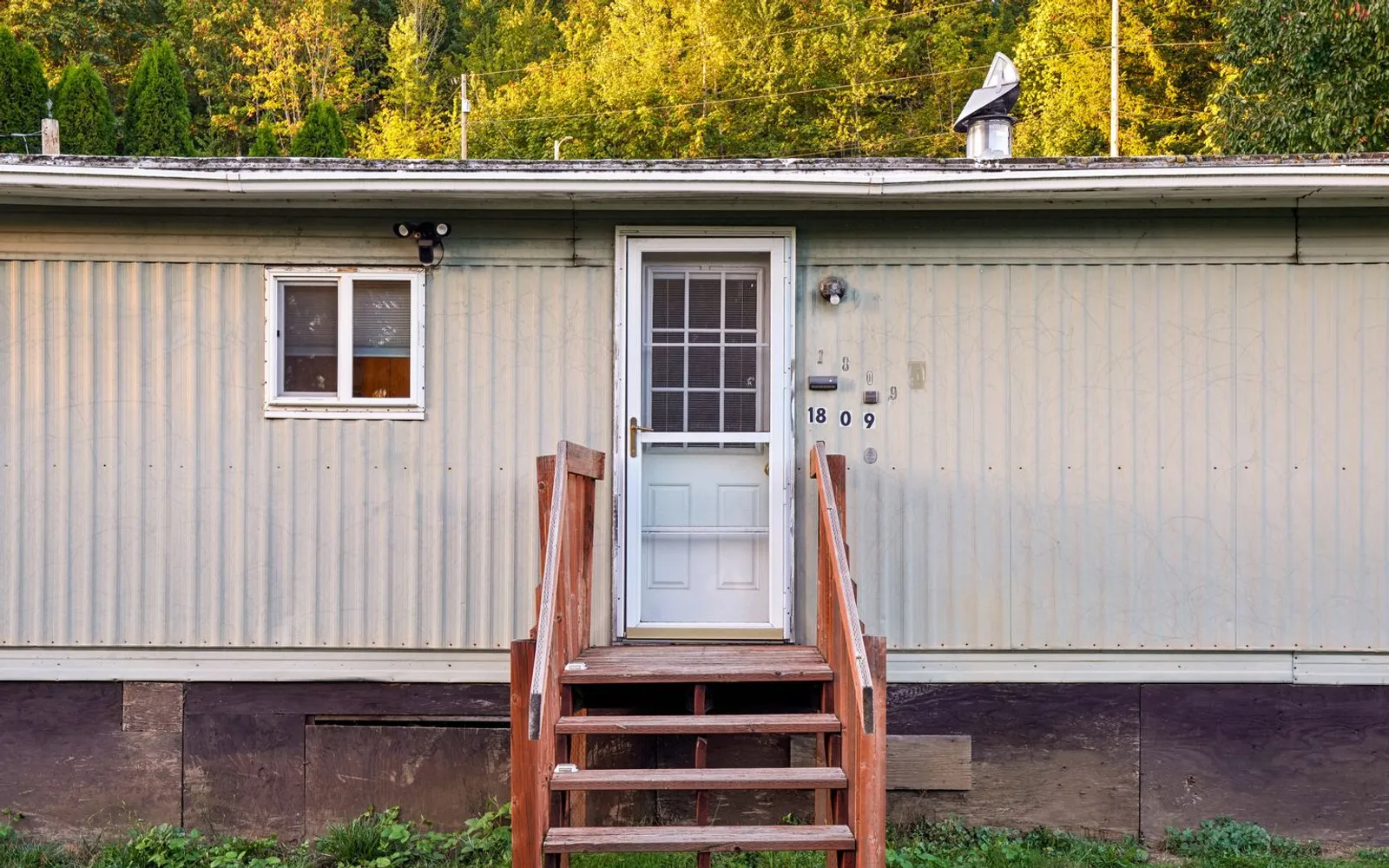
If you are buying a new manufactured home, it no longer has to meet any federal energy standard. That stopped being true on September 18.
The Energy Department published a notice that day saying its own 2022 rule “has no legal effect,” and added that it “will not enforce” it. Not repealed. Not phased out. Switched off in a single page of the Federal Register.
Here is how that happened. The 21st Century ROAD to Housing Act became law on July 11. One clause in it says no energy efficiency standards for manufactured homes written by any federal agency “shall have legal effect unless and until adopted by the Department of Housing and Urban Development” through its consensus process. Another clause gives HUD one year to write its own. As of the notice, HUD had adopted nothing. So the rule DOE spent thirteen years building went dark while the replacement does not exist yet.
That gap runs until July 11, 2027 at the latest.
What the rule was actually worth
This is where the argument gets interesting, because DOE priced it. From the 2022 final rule, in 2020 dollars:
A single-section home cost about $660 more to build to the standard and saved $177 a year on heating and cooling. Payback: 3.7 years. Over 30 years, $1,594 ahead.
A multi-section home cost about $4,222 more and saved $475 a year. Payback: 8.9 years. Over 30 years, $3,573 ahead.
The fight over this rule was always framed as affordability. So look at the cheap home, the one affordability is actually about. Census puts the average new single-section manufactured home at $84,600 as of April 2026. DOE’s $660 is about eight tenths of one percent of that, and it came back in under four years.
That is not a close call. That is a rounding error on the sticker that pays for itself before the first set of tires wears out on the truck that delivered it.
The multi-section case is the honest one. $4,222 on a home averaging $164,000 is real money, roughly 2.6% at today’s prices, and 8.9 years is a long wait. DOE pegged first-buyer tenancy at about 13 years, so it still cleared. Barely.
You are the one doing the math now
Nobody is going to run those numbers for you at the sales center. So:
Ask for the spec in writing. Wall and ceiling R-values, window U-factor. The dead standard was built on the 2021 energy code. Ask whether this home meets it anyway, because plenty of builders already build to it and will happily tell you so.
Price it over how long you will actually live there, not over 30 years. A 3.7-year payback survives almost any answer. An 8.9-year payback does not survive a five-year plan.
Remember which line each number lands on. A cheaper home shows up in your loan payment. A leakier home shows up in a utility bill nobody underwrote. Run both through the budget planner before you decide the cheaper sticker won.
And keep an eye on the bill itself. Power prices are not sitting still, as the last four years of increases and this winter’s heating forecast both show. Insulation is the one part of that equation you buy once.
Whether Washington should have mandated it is a fair argument. Whether you should buy it anyway, on the cheap end, is not much of one.
How Candid Yak makes money. Some of the products we write about pay us if you apply or sign up through our links. That never changes our verdict, our rankings, or the numbers in this article. We call a bad deal a bad deal whether it pays us or not. Some brands shown in our comparison tools are placeholder examples while we finalize partner agreements, and we label them as such.
Sources
- Energy Conservation Program: Energy Conservation Standards for Manufactured Housing, 91 FR 59048 (DOE notification of legal effect, September 18, 2026)
- Energy Conservation Program: Energy Conservation Standards for Manufactured Housing, 87 FR 32728 (DOE final rule, May 31, 2022)
- Average Sales Price of New Manufactured Homes by Region and Size of Home (U.S. Census Bureau, Manufactured Housing Survey)