













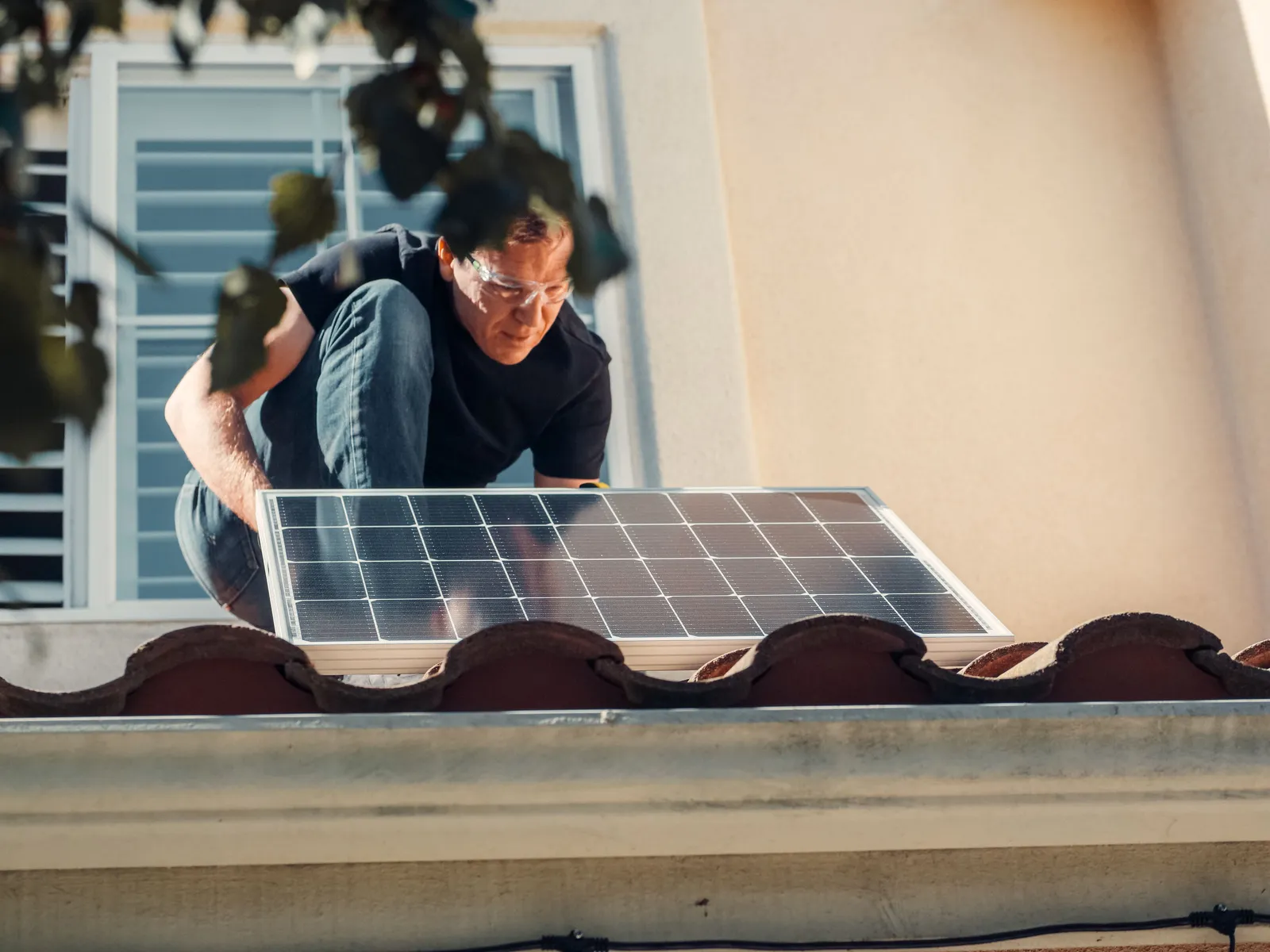
If a solar rep is working you this summer, one number in that contract decides whether the deal is any good, and it’s the escalator, not the monthly payment they keep circling with a pen.
Leases and power purchase agreements went from the fallback option to the featured product this year, and the reason is tax law. The homeowner credit ended December 31, so the only federal solar money left runs through the company that owns your panels. Section 48E lets that company claim up to 30%. You claim nothing.
The pitch on your doorstep changed with it.
The clause they skip past
An escalator raises your payment every year, on its own, for the whole contract. Solar.com says the common ones are 0.99%, 1.99%, and 2.99%. Their own published example: a $100 monthly payment on a 1.99% escalator is $108.20 in year five and $119.40 in year ten.
Now hold that next to the reason you’d sign in the first place. You want off a utility bill that keeps climbing. EnergySage puts long-run electricity inflation at roughly 2.8% a year.
Do the comparison. A 2.99% escalator climbs faster than the bill you’re running from. You’d be hedging a rising cost with a cost that rises quicker, for 20 to 25 years, which is the standard term. EnergySage’s own guidance is to aim for 0% to 1% and treat anything over 3% as a warning.
A 2.99% escalator on a 25-year lease isn’t a close call. That’s dumb math.
Two more lines worth finding
The buyout. Prepaid deals typically hand you the system after six years, because federal recapture rules make the company hold it that long. The brochure language is “$0 transfer.” EnergySage found the contracts usually say the transfer happens at “fair market value,” determined “in good faith” by the provider. Those two sentences are not the same promise, and only one of them is in the document you sign.
The lien. Your equipment gets a UCC-1 filing against it. That’s a lien on the panels, not on your house, but it still shows up when you sell, and your buyer has to qualify to take over the contract or you’re paying an early termination fee to clear it.
Do this before the rep leaves your kitchen
Ask for the escalator out loud, then go find it in the contract yourself and confirm the two numbers match. Ask what the buyout clause literally says, and refuse a verbal “zero.” Then run the payment schedule against your real utility bill with our solar calculator before anyone gets a signature.
If they’ll write 0% or 0.99%, a lease can genuinely work, especially if your tax bill was too small to have used the old credit anyway. If they hold at 2.99% and won’t move, you’re not buying cheap power for 25 years.
You’re financing somebody else’s tax credit, on a payment that gets bigger every January.
How Candid Yak makes money. Some of the products we write about pay us if you apply or sign up through our links. That never changes our verdict, our rankings, or the numbers in this article. We call a bad deal a bad deal whether it pays us or not. Some brands shown in our comparison tools are placeholder examples while we finalize partner agreements, and we label them as such.