

















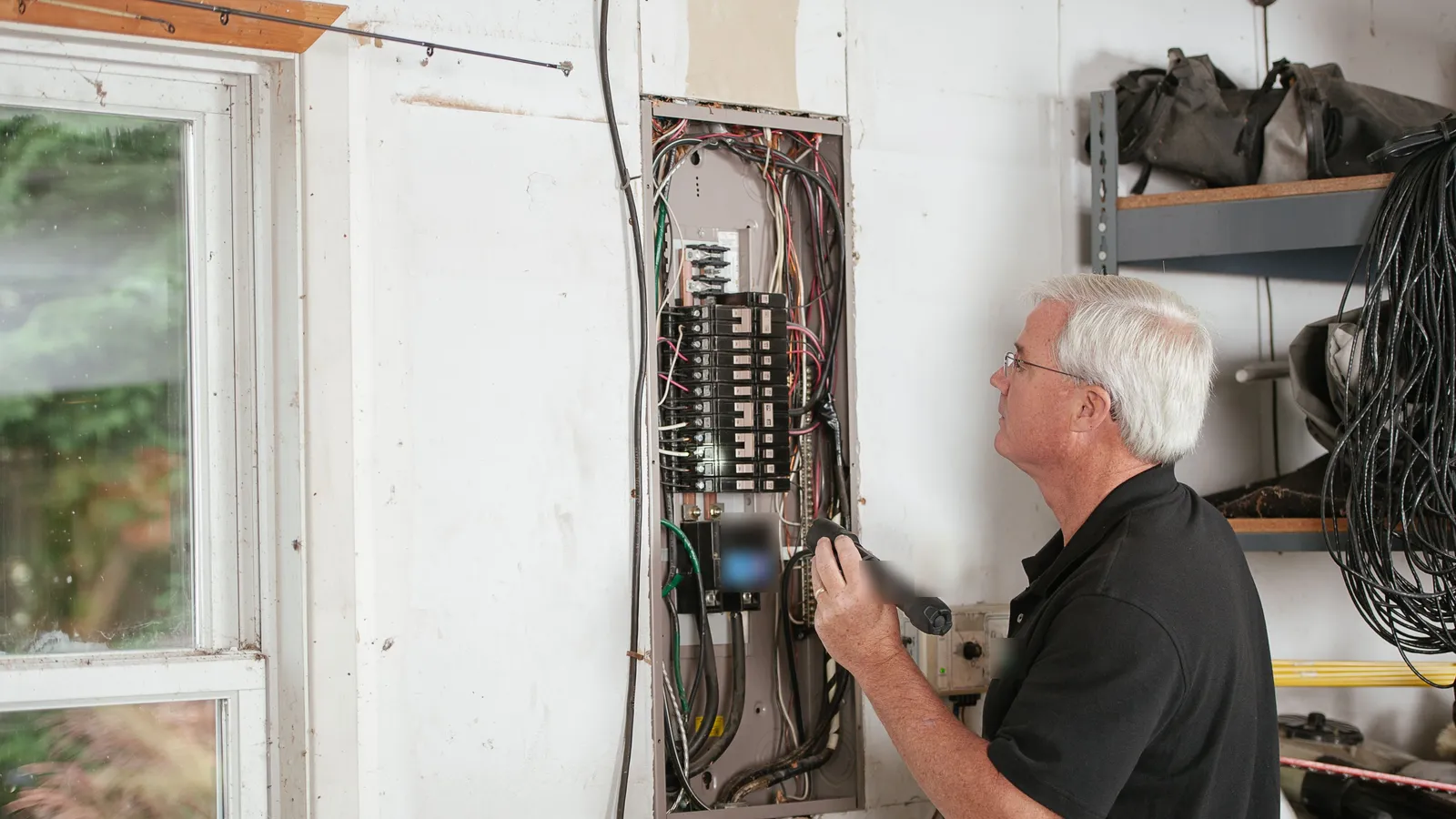
If you’re pricing a home battery in Maryland, the state will now cover 30% of it, up to $5,000. That’s the good news.
The bad news is a single sequencing rule. Get it backward and the check is gone.
The money, and the catch
The Maryland Energy Administration opened its FY27 energy storage rebate on September 24. The math is plain: 30% of what you pay to buy, install and interconnect the battery, capped at $5,000 for a home. The whole pot is up to $4 million, handed out first come, first served.
Here’s the catch, straight from the program rules: “An energy storage system installed before MEA approved an upfront rebate reservation is ineligible.”
Not reduced. Ineligible.
The process runs in two steps. You (or your installer) apply for a reservation first. MEA approves it. Only then does the battery go on the wall. After the utility grants permission to operate, you file the second step to get paid. The permission-to-operate paperwork has to be dated after your reservation, so there’s no back-dating your way in.
Why does this matter now? The federal 30% credit that used to cover batteries is gone. The IRS says the residential clean energy credit “is not available for any property placed in service after December 31, 2025.” If an installer pushes you to lock in a date this week, slow down. In Maryland, installing first costs you the $5,000.
What it’s worth on your install
Run your quote against the cap. On a $12,000 battery install, 30% is $3,600. The $5,000 ceiling kicks in at about $16,700. On a $20,000 job you still get $5,000, which works out to 25%.
The pot is small. At $5,000 a home, $4 million covers about 800 full rebates statewide. MEA says the portal “may close earlier” than the May 31, 2027, deadline if requests use up the budget. First come, first served means the people who apply first get paid first.
Real money, if you get in early and in the right order.
Do this before you sign
Ask your installer, in writing, who files the Step 1 reservation and when. Don’t let anyone schedule the install until you have MEA’s approval notice in hand.
Then watch the clock. The reservation expires 180 days after approval. By then the battery has to be installed, approved by your utility and submitted for payment. If permitting drags, MEA takes extension requests, but only if you file at least 30 days before expiration, and it doesn’t promise to say yes.
Check the fine print on what doesn’t count. Portable power stations, anything on wheels, solar panel costs and leases longer than 25 years are all out. A battery that already got money from the FY26 program or the old state battery tax credit is out too.
Before you buy, run the numbers with our solar calculator and see what else the battery can earn in a utility battery program. MEA says Maryland’s utility programs for batteries are still under development. Then compare your options on our solar hub.
The detail
The program is the Residential and Commercial Energy Storage Program (RCES), created under section 9-2012 of Maryland’s State Government Article and funded from the Strategic Energy Investment Fund. The final rebate can come in lower than the reserved amount but never higher, because it’s recalculated from your actual invoices at Step 2. Applications and payment requests both go through the My MEA portal.
How Candid Yak makes money. Some of the products we write about pay us if you apply or sign up through our links. That never changes our verdict, our rankings, or the numbers in this article. We call a bad deal a bad deal whether it pays us or not. Some brands shown in our comparison tools are placeholder examples while we finalize partner agreements, and we label them as such.